HIGH COMMISSIONER MUHIZI CALLS FOR “NEVER AGAIN” TO BE UPHELD AS RWANDANS IN SINGAPORE MARK KWIBUKA32
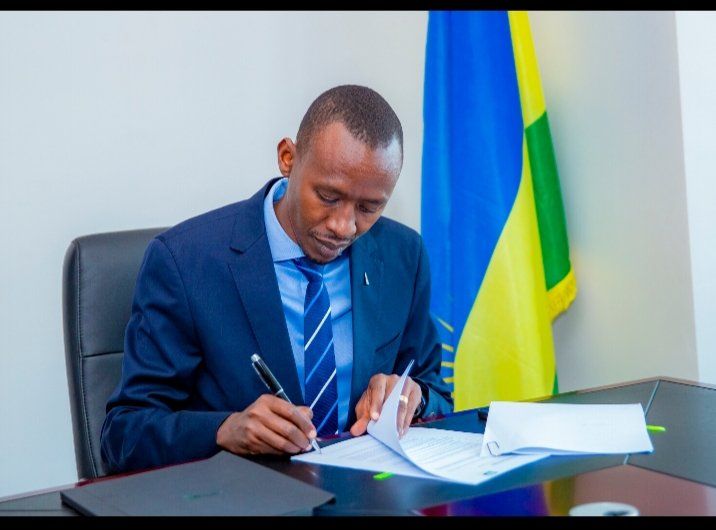
Singapore, 7 April 2026 - High Commissioner Innocent B. Muhizi led a solemn event to mark the 32nd commemoration of the 1994 Genocide against the Tutsi.
Over 250 participants, including members of the diplomatic corps, Singaporean government officials, Tanglin Club members, friends of Rwanda, and members of the Rwandan community in Singapore, attended the event, which provided an opportunity for collective reflection and renewed commitment to genocide prevention.
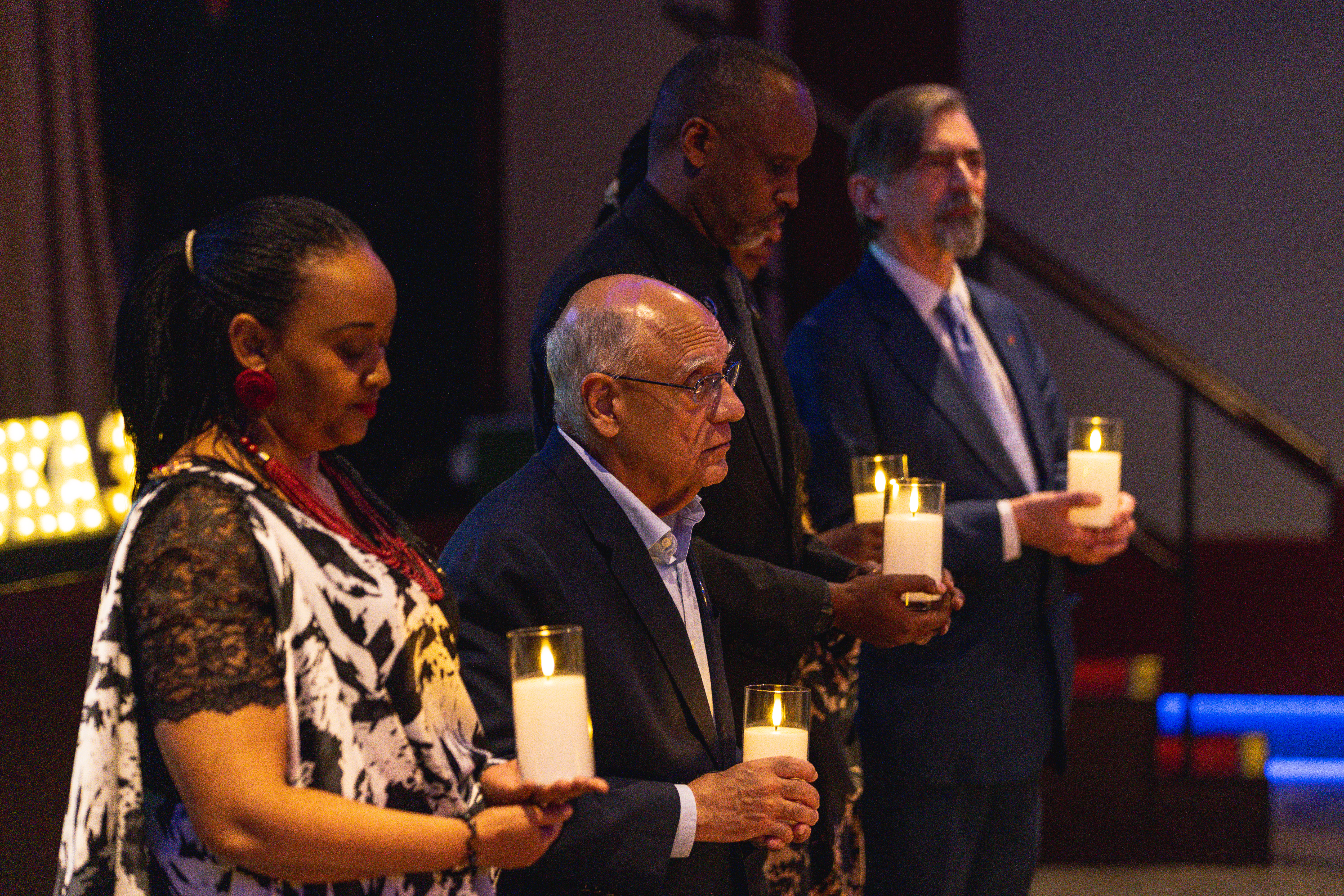
Participants observed a minute of silence and lit candles in memory of the more than one million Tutsi who were murdered during the Genocide.
In his address, High Commissioner Innocent B. Muhizi underscored that the 1994 Genocide against the Tutsi in Rwanda was neither accidental nor spontaneous, but the result of deliberate planning and systematic execution by the genocidal Government of 1994.
He paid tribute to the Rwanda Patriotic Army, which brought the Genocide to an end in July 1994 and laid the foundation for Rwanda’s recovery and reconciliation.
The High Commissioner warned that genocide ideology and denial continue to evolve, especially through social media platforms and organised denialist networks, posing a serious threat to historical truth.
Addressing students, academics, and educators in attendance, he urged them to defend historical truth through scholarship and ethical engagement, stating that “silence in the face of denial is not neutrality. It is complicity.”
He reiterated Rwanda’s call on UN Member States to implement UN Security Council Resolution 2150, which obliges states to arrest, prosecute, or extradite genocide fugitives found on their territories. He emphasised that “Never Again must be upheld through sustained and decisive action.”
The commemoration also featured a personal testimony by Ms Dimitrie Sissi, a survivor of the Genocide against the Tutsi and author of “Do Not Accept to Die”, a memoir that chronicles her experience during the 1994 genocide against the Tutsi.
In a fireside discussion, Ms Sisi reflected on her journey of survival, loss, and resilience, offering deeper insight into the human cost of genocide and the strength of survivors.
She highlighted the role of Rwanda’s Gacaca courts in restoring national unity and reconciliation, noting that the community-based justice mechanism helped many survivors learn how and where their family members were killed and locate their burial sites.
Ms Sissi expressed appreciation to the Government of National Unity for its continued support to genocide survivors, particularly in health and education, through the Genocide Survivors Assistance Fund (FARG).

Takeaways from Rwanda's Environment Protection Agenda

Kigali City Master Plan scoops two Gold Awards for Master Planning

Rwanda wins bid to host 2025 World Championships
WHO commends Rwanda’s Covid-19 vaccination drive
Inside Rwanda’s efforts to protect mountain gorillas from Covid-19